In this article
Most countries digitised in layers, with private companies building closed systems for payments, identity and commerce, each with its own rules and costs. India took a different route. Over the past decade it has built a set of open, interoperable digital public goods — commonly referred to as India Stack or digital public infrastructure — that any business can build on.
For companies designing software in India, this is not a policy footnote. It changes what is possible, how quickly products can launch and where competitive advantage really lies.
The building blocks
Digital identity. Aadhaar-based authentication and e-KYC, used within the permissions defined by regulation, have dramatically shortened onboarding for regulated services such as banking, insurance and telecom.
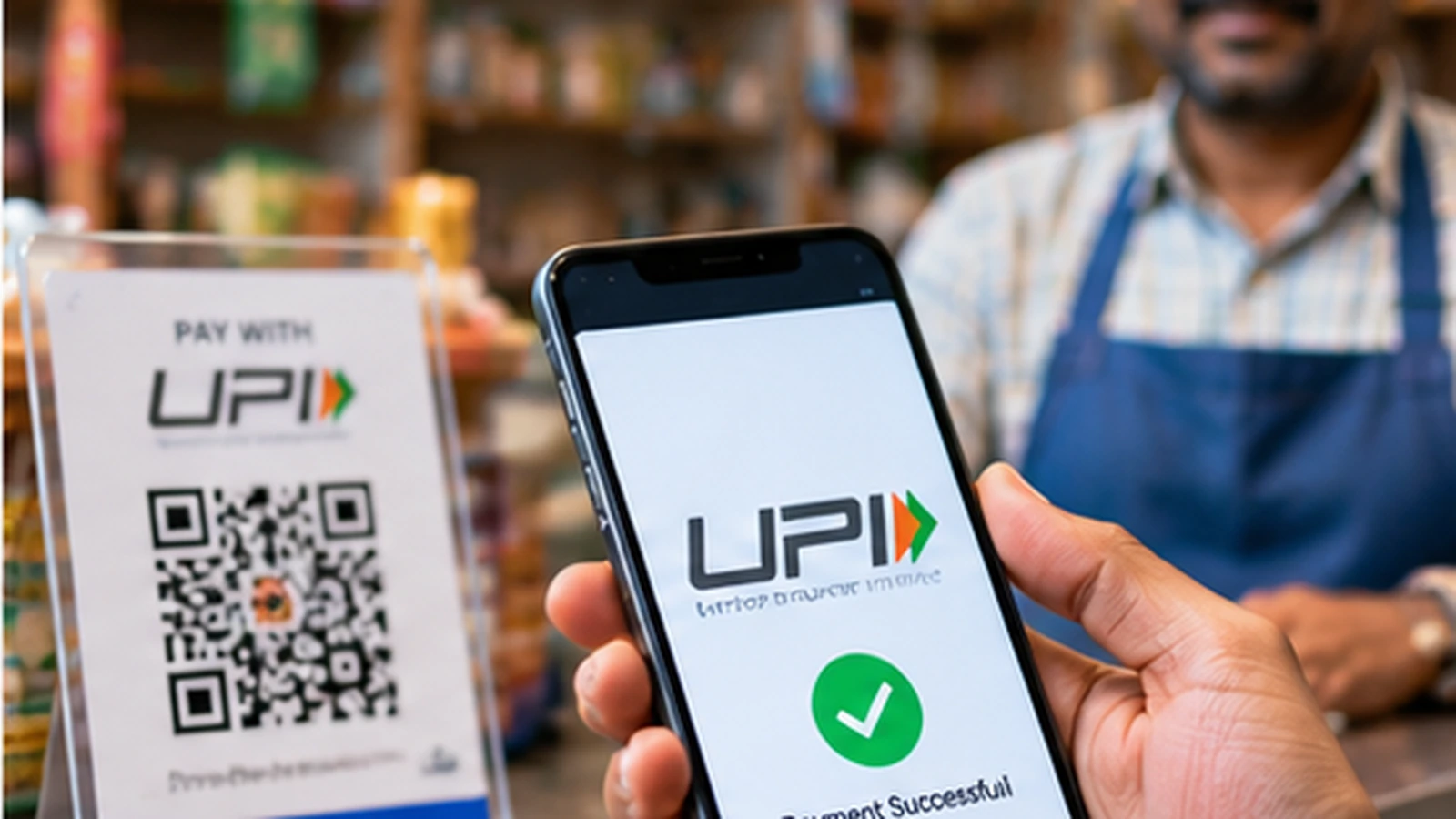
Payments. The Unified Payments Interface (UPI), operated by NPCI, made instant, low-cost account-to-account payments a daily habit for hundreds of millions of people and merchants of every size. UPI has become the default way India pays — online and in person.
Documents. DigiLocker allows citizens to store and share verified documents such as educational certificates and identity records, reducing paperwork and fraud in verification-heavy processes.
Data sharing. The Account Aggregator framework, regulated by the RBI, lets individuals and businesses share their financial data between institutions with explicit, revocable consent. It has opened the door to faster lending decisions and better financial products.
Commerce. The Open Network for Digital Commerce (ONDC) aims to unbundle e-commerce, allowing buyers on one app to discover and purchase from sellers listed on another, rather than every participant being locked into a single platform.
Why this changes software design
When shared rails exist, the work of building a product shifts. Payment collection, identity verification and document checks no longer need to be built from scratch or bought from expensive intermediaries. The opportunity moves up the stack — towards customer experience, workflow design and the intelligent use of data.
When the rails are public, the advantage belongs to whoever builds the best train.
We see three practical consequences for businesses building digital products in India.
1. Mobile-first is not enough — design for “UPI-first”
Customers now expect to pay in a few taps, using the app they already trust. Checkout flows, subscriptions, collections and refunds should be designed around UPI intents, QR codes and, where appropriate, recurring mandates through UPI AutoPay. Products that still treat cards as the primary path are adding friction their competitors have removed.
2. Consent becomes a product feature
Frameworks such as Account Aggregator are built on explicit consent, and the Digital Personal Data Protection Act places clear obligations on how personal data is collected and used. Software that makes consent clear, granular and easy to withdraw is not only compliant — it earns trust. Consent management should be designed into the product, not bolted on afterwards.
3. Interoperability over lock-in
Open networks reward businesses that integrate well. A small retailer or service provider can reach customers across many buyer applications through ONDC; a lender can underwrite small businesses using consented cash-flow data. Building clean, well-documented APIs and keeping data in structured formats positions a company to participate as these networks grow.
Opportunities by sector
Financial services. Faster onboarding through e-KYC, consented data through Account Aggregators and instant disbursement and collection through UPI make it possible to serve customers and small businesses that were previously too costly to reach.
Retail and local commerce. Neighbourhood stores and direct-to-consumer brands can accept digital payments at almost no cost and explore new discovery channels through open commerce networks.
Education. Verified digital certificates simplify admissions and employment checks, while UPI simplifies fee collection for schools and coaching institutes of every size.
Healthcare. The Ayushman Bharat Digital Mission is building health identifiers and consent-based sharing of health records, laying the groundwork for more connected care.
NGOs and social enterprises. Transparent, low-cost digital donations and verifiable records help organisations build trust with supporters and funders.
What leaders should do now
- Audit your customer journeys for steps that public infrastructure could simplify — payments, verification, document collection and data sharing.
- Prioritise the integrations that remove the most friction for your customers, starting with payments.
- Treat data protection as design, with clear consent, minimal data collection and secure storage.
- Build modular systems with clean APIs so new networks and services can be adopted without rebuilding the core product.
An Indian advantage — and a global model
India’s approach has attracted attention well beyond its borders, with several countries studying or adopting similar models. For Indian businesses, it represents a rare structural advantage: world-class infrastructure for identity, payments and data, available at very low cost. The companies that will benefit most are those that stop thinking of these systems as integrations to add later and start designing products around them from the first day.
VNForge Labs builds web platforms and mobile apps designed around India’s digital rails, from UPI-first checkouts to consent-aware data flows. Start a conversation with our team.